Web design requirements: what to gather before your site is built
The web design requirements to settle before a site is built: goal, pages, words and photos, brand, forms and payments, domain and email, legal basics and who keeps it current.
· 3 min read · By Tony
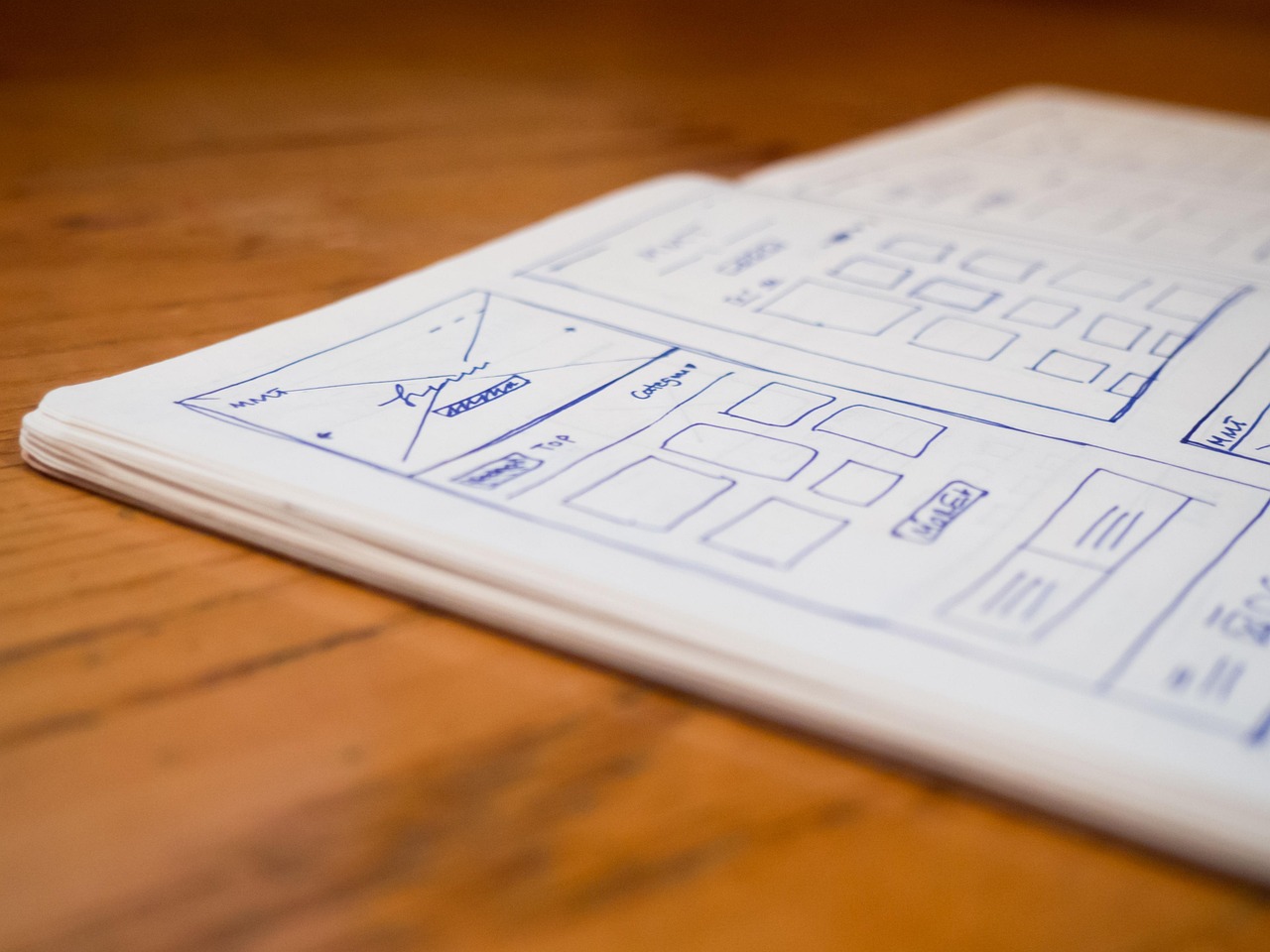
Web design requirements are the things you decide and gather before a website is built: what the site is for, who it is for, the pages it needs, the words and photos, your logo and colours, the domain and email, how people will contact, book or pay, and who will keep it up to date. Write them down on one or two pages and any designer, agency or AI agent can build from them, and you can compare quotes like for like.
Most website projects that overrun do so because the requirements were never written down. The designer guesses, the owner reacts, and the site is built twice. An hour spent on the list below saves weeks.
1. The goal and the audience
Start with one sentence: what should a visitor do on this site? Book a table, ask for a quote, buy a product, sign up. Then say who they are and what they need to know before they act. Every other decision follows from this.
2. The pages
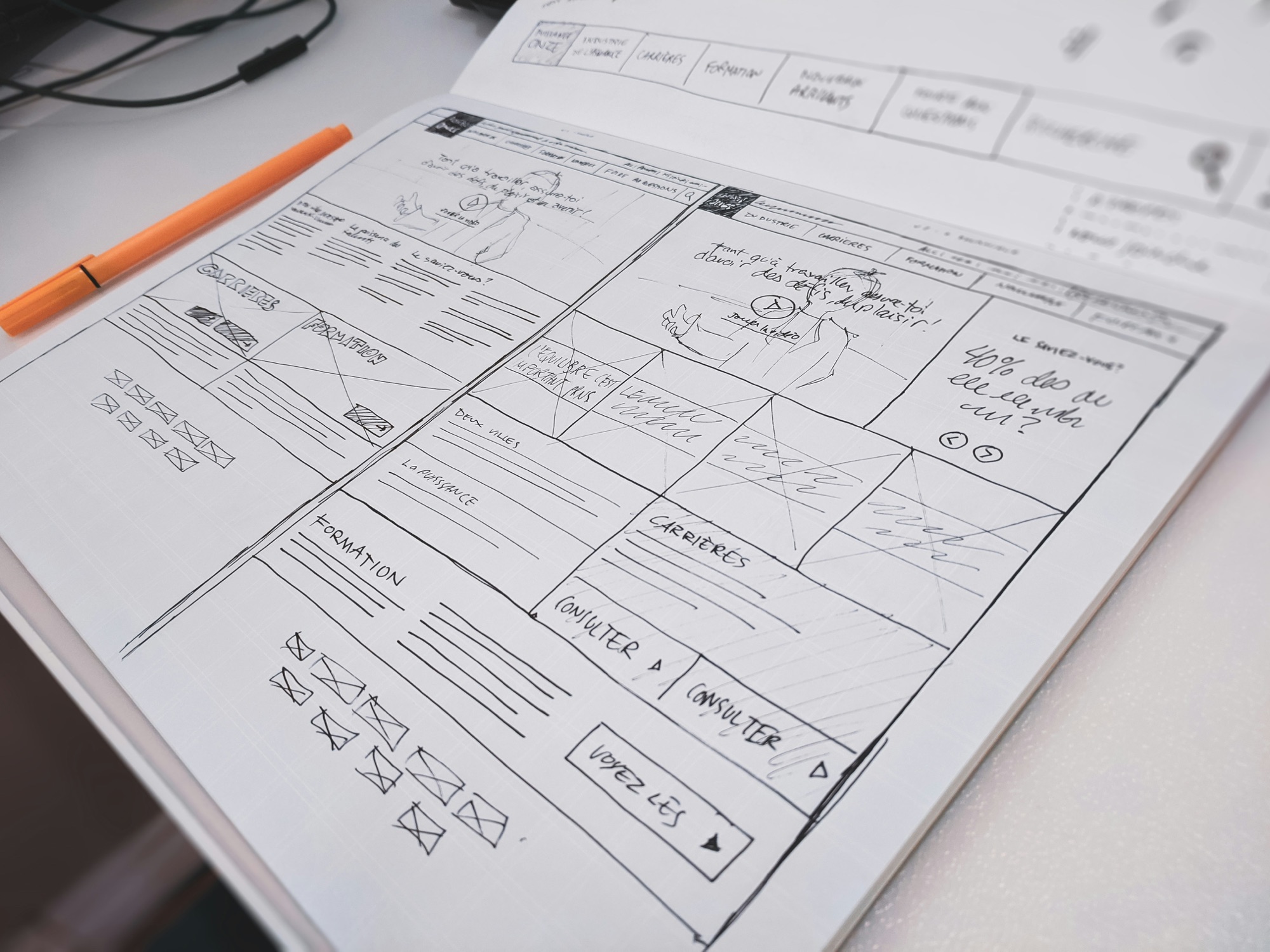
List the pages and what each one is for. A typical small business site needs a home page, a page for each main service or product range, about, contact, and the legal pages. Add a blog if you will actually write for it. Fewer, clearer pages beat many thin ones.
3. Words, photos and brand
- Words: your services, prices or how you charge, opening hours, areas covered, the questions customers ask. Your old site, a brochure or a price list is a good start.
- Photos: your own premises, team and work, as large as you have them.
- Brand: your logo as a file, your colours and fonts if you have them, and two or three websites you like the look of.
4. What the site has to do
| Requirement | Questions to answer |
|---|---|
| Enquiries | Which form fields, and where should enquiries go? |
| Bookings | Booking requests, or links to a booking app you already use? |
| Payments | Deposits, invoices or an online shop, and into which account? |
| Members | Do any pages need a login? |
| Integrations | Does anything need to reach a CRM, a booking system or another tool? |
5. Domain, email, hosting and the legal basics
Note your domain and who it is registered with, and the email addresses you need on it. Decide where the site will be hosted and who pays. Every UK business site also needs a privacy policy, cookie information if you use non-essential cookies, registered company details if you trade as a limited company, and pages that work for people using screen readers or larger text.
6. Who looks after it
Decide who will change prices, add news and answer enquiries after launch, and how. A site the owner can change in minutes stays accurate; one that needs a developer for every edit falls behind. Ask what it costs in year two, not just year one: our guide to small business website costs in the UK lists the running costs people forget.
Turning requirements into a site with AI
Requirements written this way are also the best prompt for an AI agent. On Prooflive.ai you can paste them into our AI or your own (Claude, Codex, Cursor or Gemini CLI), check every page on a private preview, and go live on your own domain with email and enquiries set up. How it works shows the steps, and pricing starts at £24 a month once the site is live, with building free. For wording that gets a better first draft, see prompts for building a website with AI.
Build yours with Prooflive.ai.
Tell our AI about your business, or bring your own. Free to build and check; from £24 a month when it goes live, with your first 30 days free.